
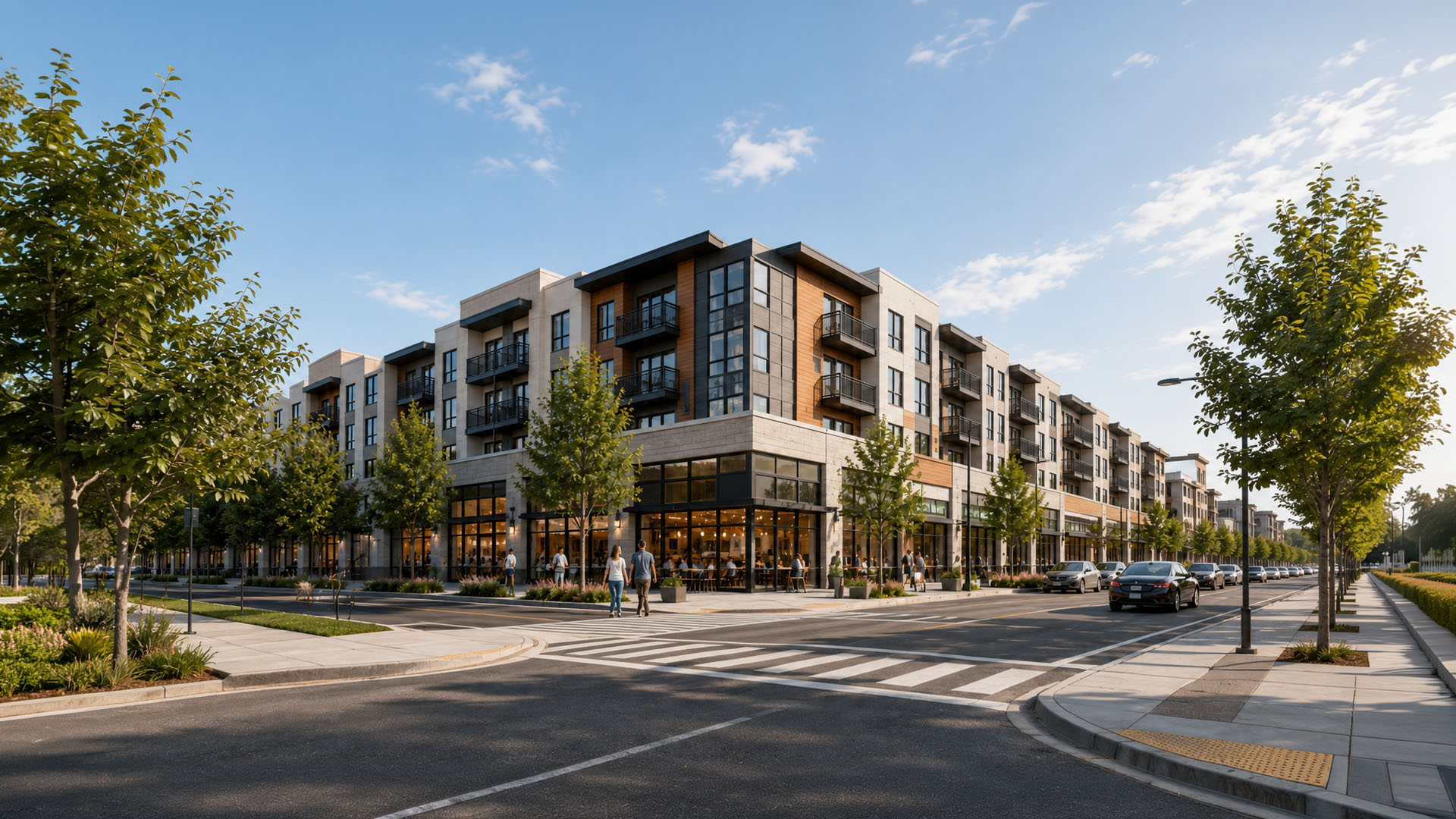
Affordable housing does far more than provide a place to live. It strengthens communities, supports local economies, improves health and educational outcomes, and creates opportunities for families to build more stable and productive lives. Few investments have a broader or more lasting impact on a community.
Over the past several years, we’ve had the privilege of working alongside developers, housing authorities, lenders, investors, and public officials throughout the affordable housing industry. One lesson has become increasingly clear: affordable housing is not simply a real estate investment. It is one of the nation’s most effective economic development strategies.
A few statistics help illustrate why.
-
The United States is currently short approximately 7.2 million affordable and available rental homes for extremely low-income households. That shortage extends well beyond housing, affecting workforce participation, healthcare, education, and local economic growth.
-
According to the National Association of Home Builders, new multifamily developments generate jobs, wages, business activity, and tax revenue throughout construction while continuing to deliver long term economic benefits after residents move in.
-
The average renter in the United States earns approximately $24.84 per hour, while it now takes $34.73 per hour to afford a modest two-bedroom apartment at fair market rent. Closing that affordability gap remains one of the country’s most significant economic challenges.
As developments become larger and more complex, managing risk becomes just as important as securing financing or selecting the right construction team.
Commercial insurance is often viewed as a closing requirement or a safeguard against unforeseen losses. In reality, it plays a much broader role. Insurance influences financing, lender requirements, construction schedules, contractual risk allocation, claims management, and the long term financial performance of an asset. When risk management is integrated early in the development process, it helps protect capital, reduce uncertainty, and keep projects moving forward.
At Gatta Insurance, we’ve seen firsthand how thoughtful risk management can support successful affordable housing developments from groundbreaking through stabilization and long term ownership. Our role extends beyond placing insurance. We work alongside our clients to identify risks early, structure comprehensive insurance programs, and help protect the financial objectives behind every development.
Affordable housing is ultimately an investment in people. Every successful community provides families with stability, children with greater opportunity, employers with a stronger workforce, and neighborhoods with a foundation for sustainable growth. Supporting those developments is not only good business, it is an investment in stronger communities and a stronger economy.
